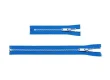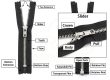
Shortening a metal zipper involves removing teeth, attaching new stops, and trimming the excess tape. This process is necessary because metal zipper teeth cannot be safely cut like plastic ones. You’ll measure, mark, and carefully remove the teeth to achieve the desired length.
Table of Contents
ToggleWhat You’ll Need
Before you begin, gather these essential tools and supplies:
- Measuring tool (ruler or seam gauge)
- Marking chalk or fabric marker
- Needle-nose or diagonal pliers
- Flathead screwdriver (optional, for stop removal)
- Replacement top stops (if not reusing originals)
- Scissors for trimming tape
Step-by-Step Instructions
Here’s a detailed guide on how to shorten a metal zipper:
1. Measure and Mark the Desired Length
- From the bottom stop of the zipper, measure up the zipper tape to your desired finished length. This is the new length you want the zipper to be.
- Use your marking chalk or fabric marker to clearly mark this point on both sides of the zipper tape.
2. Remove the Excess Teeth
- Using your needle-nose or diagonal pliers, carefully remove the metal teeth above the mark you made. Start about an inch above the mark to give yourself some working room.
- Grip each tooth firmly with the pliers and gently wiggle it back and forth while pulling it away from the tape. Be patient and avoid damaging the zipper tape. It’s usually easier to remove every other tooth first, then go back and remove the rest.
3. Remove and/or Replace the Top Stops
- Remove Original Stops (If Necessary): If you’re reusing the original top stops, use a flathead screwdriver or pliers to carefully pry them off the zipper tape.
- Decide on New Stops: You can reuse the original stops or use new ones. New stops are recommended for a cleaner finish and to ensure the slider doesn’t run off the end.
4. Install New Top Stops
- Position the new top stops at the new desired top of the zipper, on each side where the teeth end, aligning them with the top edge of the remaining teeth.
- Using your pliers, crimp the new stops securely onto the zipper tape. Make sure they are tightly fastened to prevent the zipper slider from coming off the end.
5. Trim the Excess Zipper Tape
- Carefully cut off the excess zipper tape above the newly installed top stops.
- Make sure you don’t cut through the new stops or too close to them, as this could compromise their hold.
Important Considerations
- Always shorten from the top: Never try to shorten a metal zipper from the bottom.
- Tape damage: If the zipper tape gets slightly damaged during tooth removal, it’s usually not a problem, as this area will be hidden within the garment.
- Secure stops: Ensure the new top stops are tightly secured to prevent the slider from running off the end and to maintain the zipper’s functionality.
Troubleshooting Common Issues
- Teeth are difficult to remove: Try wiggling the pliers more gently and using more force to pull the teeth.
- Zipper tape frays: If the tape frays a bit during tooth removal, trim any loose threads.
- Slider gets stuck: Ensure the new stops are correctly positioned and crimped.
Conclusion
Shortening a metal zipper is a practical skill that allows you to customize your garments. By following these steps and taking your time, you can successfully shorten a metal zipper and achieve a professional finish. For more sewing tips and tutorials, explore our other guides on our blog.
4.8/5 - (26 votes)
I'm Jody, the force behind Rochezipper's content. My 20 years in zipper production ensure our resources are expert-vetted and insightful. Discover how our expertise can elevate your products. I am dedicated to guiding you to the right solution. Browse our offerings and let's build something great together.
Latest posts by Jody (see all)
- How To Reattach A Zipper? - February 20, 2026
- How to Put a Zipper Back On? A Step-by-Step Repair Guide - February 19, 2026
- How To Fix A Broken Zipper? Simple Repair Methods for Every Type of Damage - February 19, 2026